Basement Wiring Cleanup
AKA: The Great Untangling
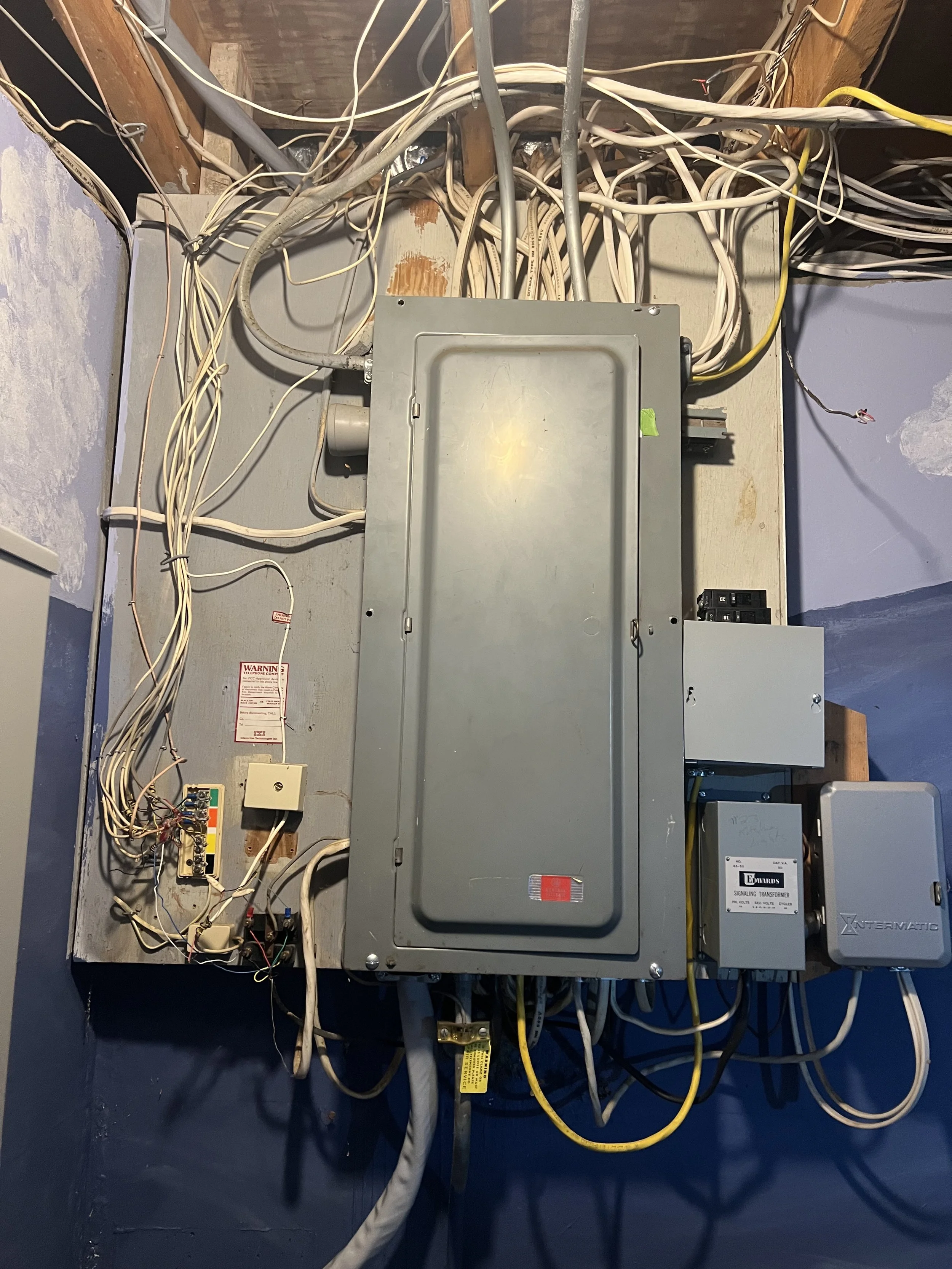
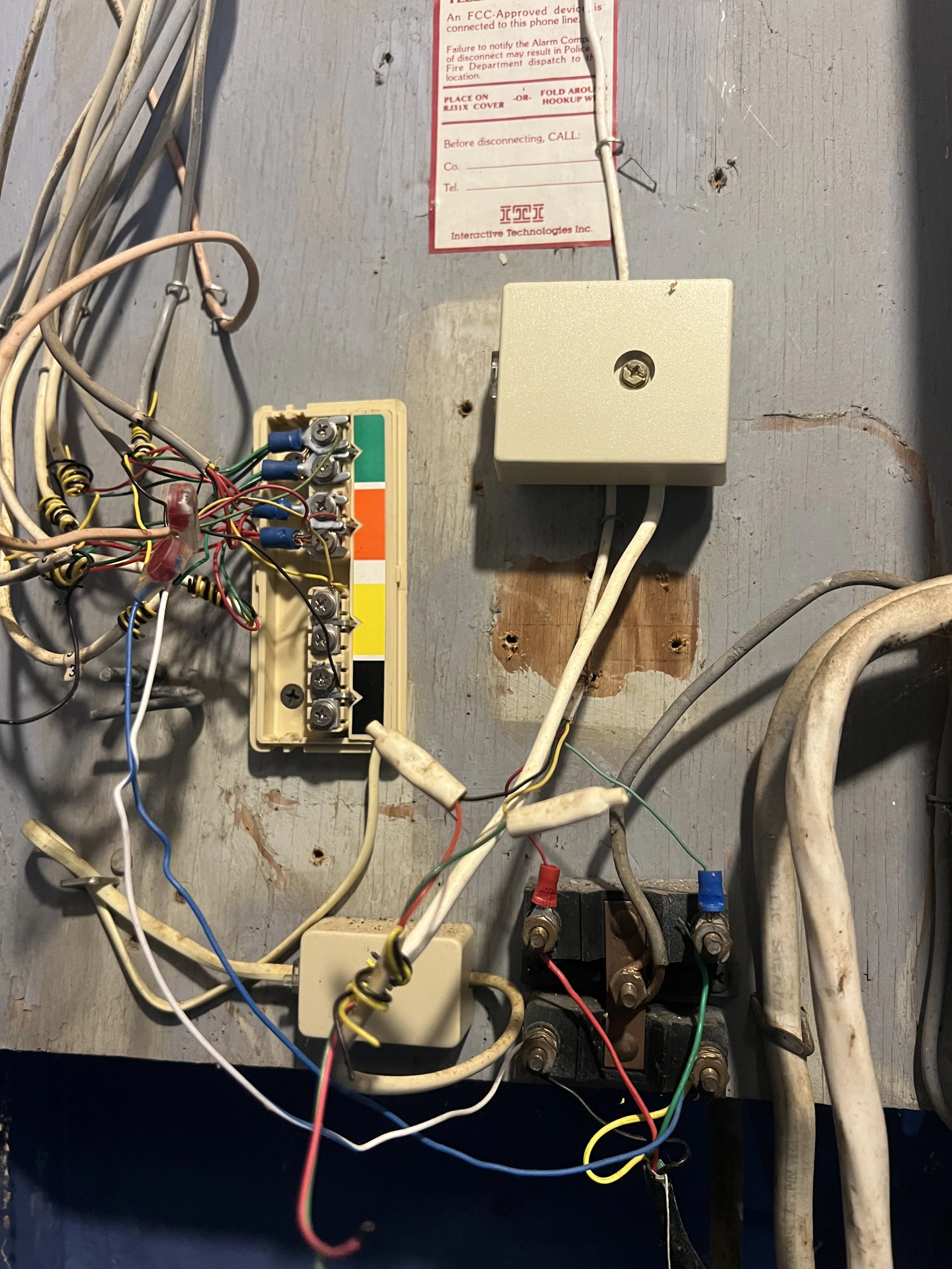
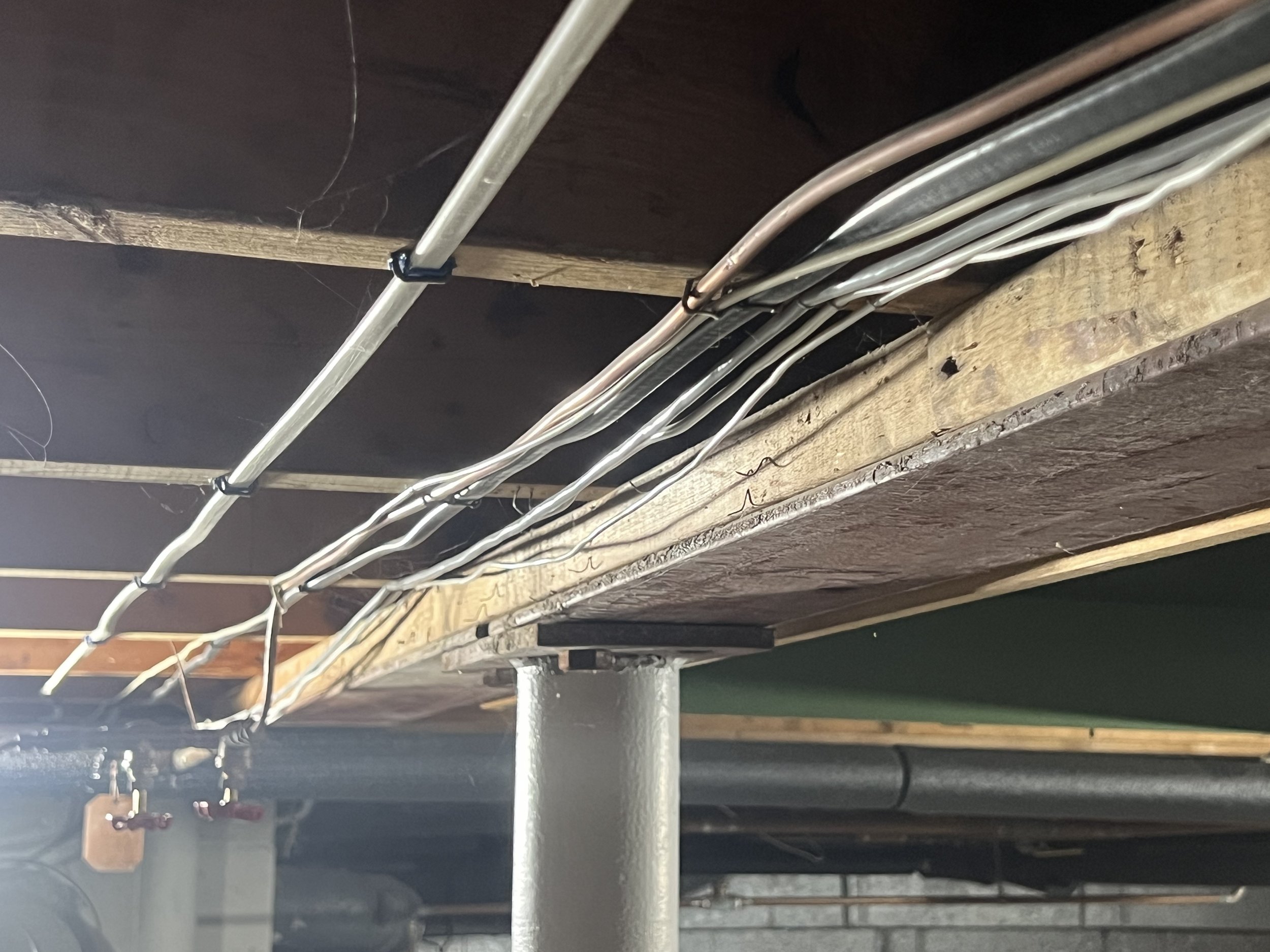
What started as a simple panel labeling job quickly spiraled into something a lot bigger. The main electrical panel at Grandview has been on my mind for a while now. Even before we bought the house, this was an item that was slated for near-term attention. For a house that was clearly wired by pros back in its heyday, what’s down there today is a tangle of mystery and a healthy dose of incompetence. Decades of additions, removals, and questionable updates left behind a mess of phone lines, dead circuits, and exposed live wires with minimal labeling and even fewer explanations.
The goal wasn’t a full rewire, though I do plan to replace the main panel at some point in the near-ish future. For now, the scope was as simple as starting to make sense of what’s here: to trace and label every breaker, identify what’s live and what’s not, and clean up the spaghetti that’s accumulated around the panel and joists over the decades.
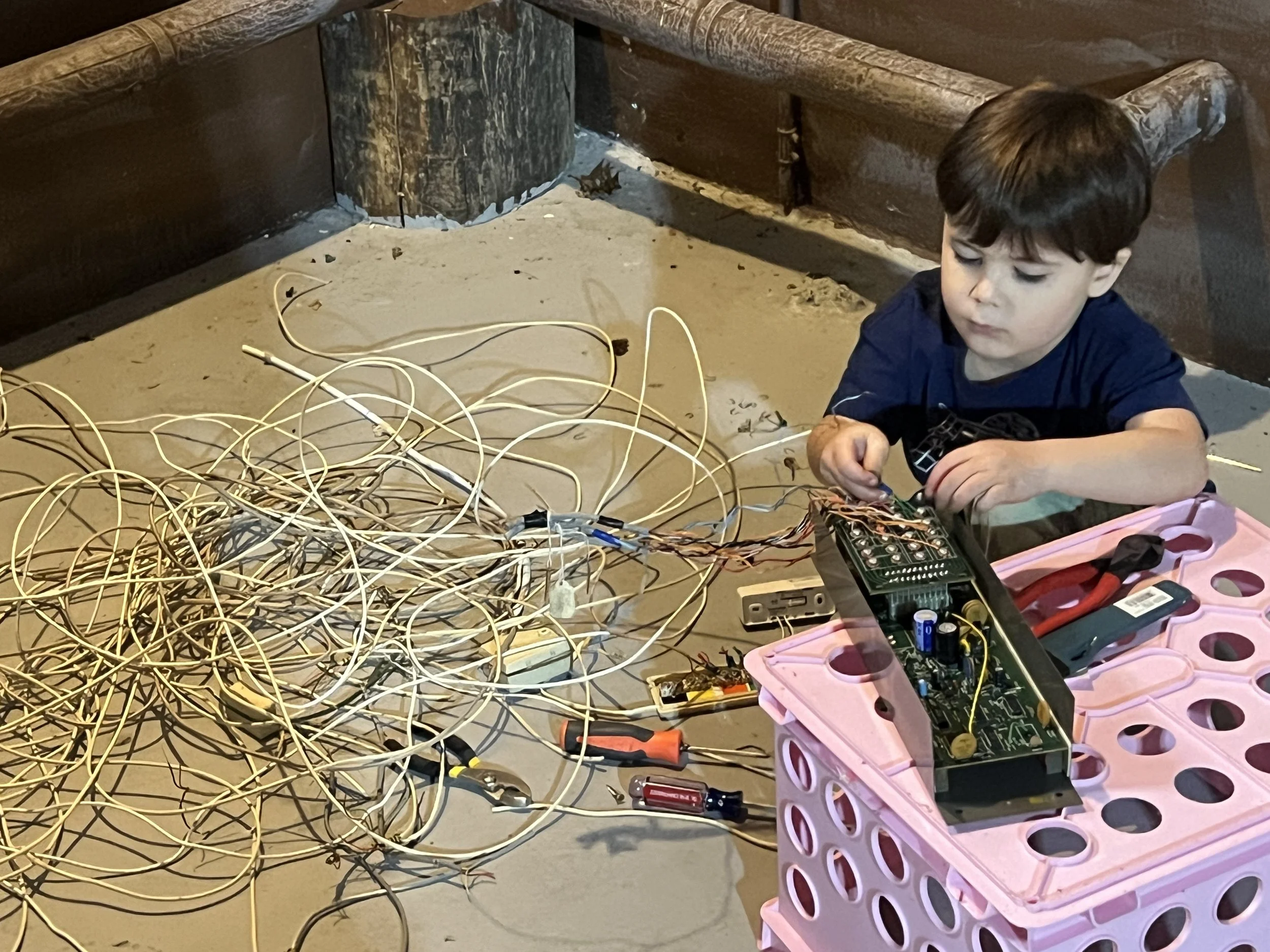
The first few minutes went about how I expected. Then, as I started following the first few runs of wire along the joists, I realized just how much of this stuff wasn’t doing anything at all. Dead phone lines, cut defunct security system cables, half-connected circuits… miles of it. Before long, there was a growing pile of scrap wire on the basement floor, and the more I pulled, the better things started to look.
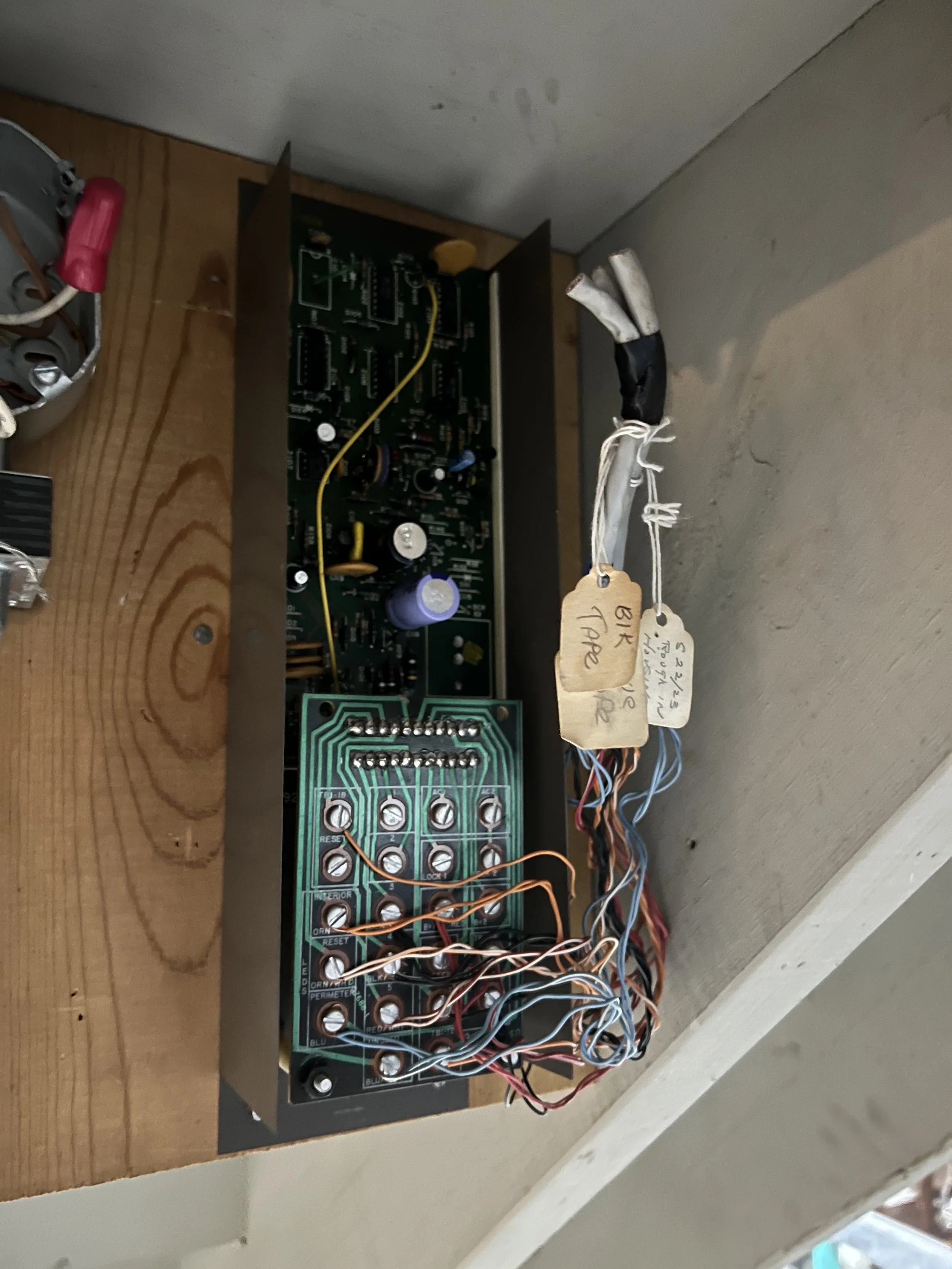
All told, a few hundred feet of wire came down — mostly old telephone lines, along with some antique circuit boards and disconnected wall panels. Every line traced, every termination checked. By the time I was done, the space around the panel and the floor joists above were much less anxiety inducing to look at. It at least feels like we have a chance.
The Project
The Process
As far as tracing circuits went, Rachel and I made it a team effort. One of us on the panel, the other upstairs with an outlet tester and a phone call open between us, flipping breakers and mapping what powered what. She and I draw schematics differently (one like a nurse and one line a mariner, I guess), but as long as one of us know what’s going on, I’m happy. We’ve gotten through the first six circuits so far, just moving down from the top of the panel. Turns out that was much of the upstairs, which was not necessarily the important stuff, but is progress nonetheless.
We settled on a numbering system. Each breaker got assigned a number, and each associated outlet, switch, or device was tagged with the same number. Literal numbers taped to each location. It helped us make sure we drew our schematics accurately, and also helped quickly identify outlets as we swap some older ones out for newer and safer versions.
Along the way, I found two live exposed circuits, one of which was 240v (now safely terminated and boxed off) and a few cold drafts that turned out to be open penetrations straight through the exterior wall. So the cleanup didn’t just make things safer — it also pointed out a few places where the house was literally either threatening to kill us or shamelessly bleeding heat.
Lessons Learned
Cleaning up the basement wiring was a reminder that the hidden systems in an old house often tell its story. Every old splice or abandoned cable was a breadcrumb from a previous owner — some professional, some clearly improvised. Pulling all that out didn’t just make things safer; it gave me a map of the house’s electrical and HVAC backbone.
And while “basement wiring cleanup” might not sound like a thrilling winter project, it’s one of those foundational ones that is a supportive step towards improve everything else. I now have a much better intuitive understanding of what goes where out of the top of the panel. What certain wire types most likely are. What circuits are still in place but probably terminate… elsewhere. I found and secured exposed live circuits. I found mice hideouts. I found holes to the exterior. The wiring is cleaner, but a lot of other stuff got accomplished as well.
Next up, we’ll keep working down the panel one circuit at a time, and I’ll be back downstairs with a roll of insulation next week to seal up those cold spots and penetrations.
Jr. Engineer
The best part of the entire project, without question, was the help. Henry - three and a half years old and deeply obsessed with anything that involves circuits, switches, or engines - was right there beside me the entire time. While I pulled out old wire, he was building new circuits on the floor using the parts I dropped. Completely unpowered, of course, but entirely his own design.
It’s wild how naturally he takes to it. This boy dreams about wiring, understands the basics of current flow, and has somehow internalized the logic of mechanical systems already. Watching him work with real parts, mimicking what I was doing, and explaining the theory behind his designs was honestly the highlight of the project.
While this stuff does slow and complicate the work a little bit, it’s a huge part of why we’re here. I love having the kids involved in this work for so many reasons, but the practical aspect of having them learn how house systems work and watching us work on the systems ourselves is something that I believe will be paid back in spades.